



Smoking and Your Health: What You Should Know About Cigarettes, Nicotine and Tobacco
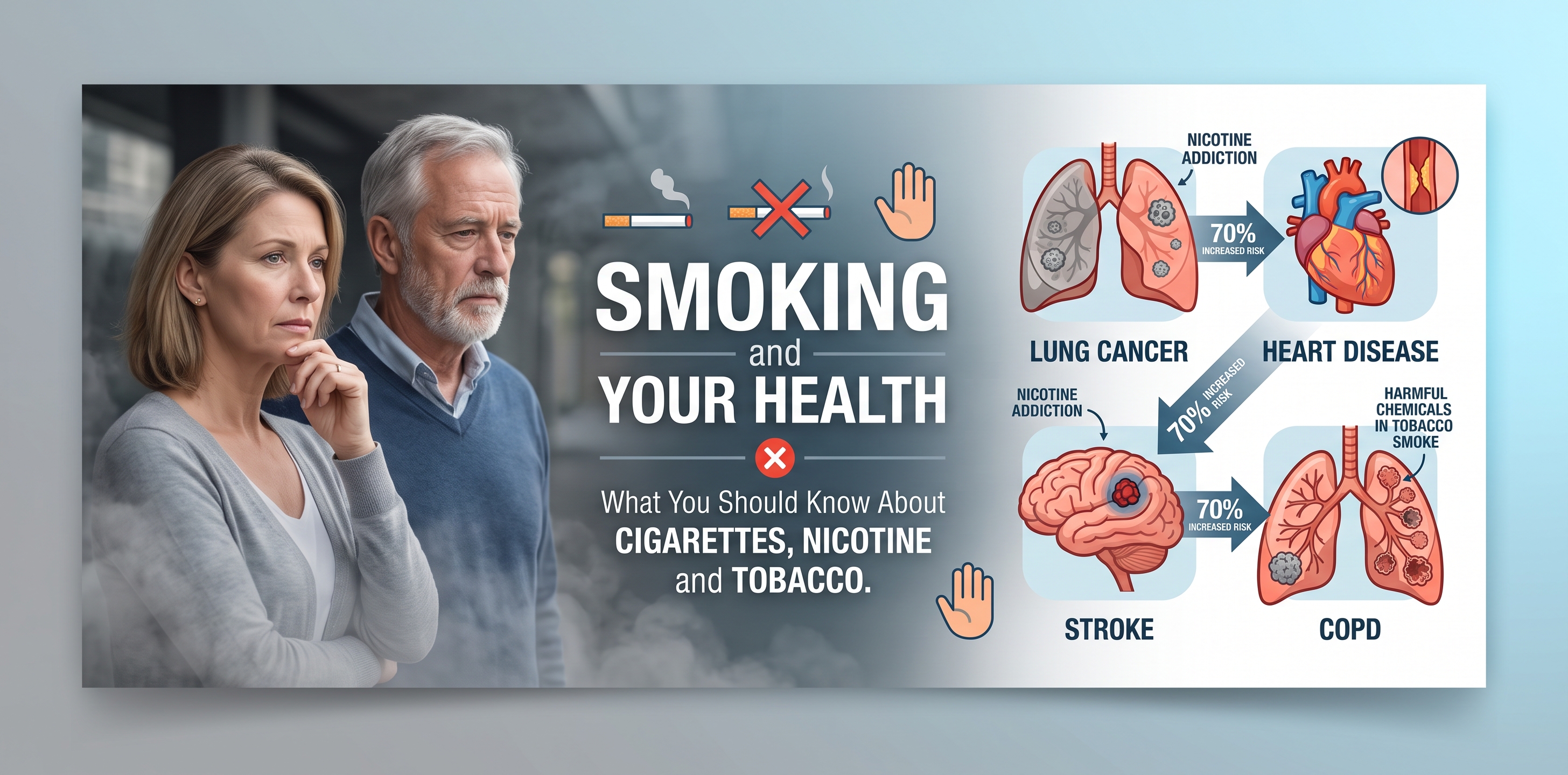
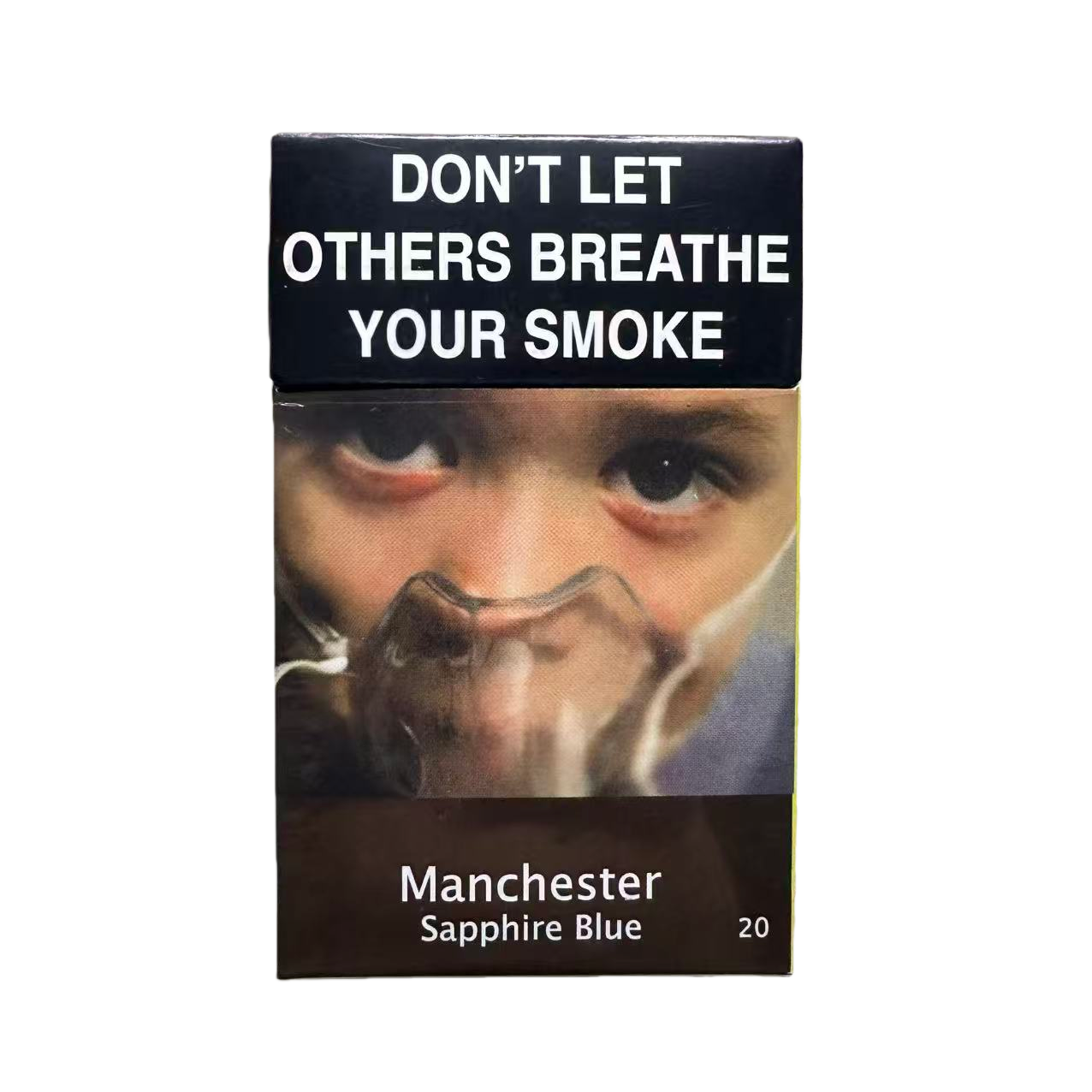
For many adults, cigarette brands such as Manchester, Marlboro and ESSE are familiar names. Different cigarette products can vary in tobacco blends, flavour, design, packaging and other characteristics.
However, from a health perspective, one important fact remains the same: smoking tobacco is harmful to your health, regardless of the brand.
Understanding the health effects of smoking can help people make informed decisions about tobacco use and their own wellbeing.
What Is in Cigarette Smoke?
A cigarette contains much more than tobacco.
When tobacco burns, the resulting smoke contains thousands of chemicals. Many of these substances can be toxic, while others are known to cause cancer or contribute to other health problems.
One of the best-known substances in tobacco is nicotine.
Nicotine is highly addictive and is a major reason why people can develop dependence on cigarettes and other tobacco products. For people who smoke regularly, nicotine dependence can make quitting difficult, even when they understand the health risks.
What About Brands Such as Manchester, Marlboro and ESSE?
Manchester, Marlboro and ESSE are examples of well-known cigarette brands that consumers may encounter in different markets.
Individual products can differ in areas such as:
-
Tobacco blends
-
Cigarette design
-
Filter construction
-
Flavour and aroma
-
Product specifications
-
Packaging
-
Product variations between different markets
These differences do not mean that one cigarette brand is safe or that smoking becomes harmless.
The health risks associated with smoking are primarily related to tobacco use and exposure to the harmful substances produced when tobacco is burned.
For this reason, changing from one cigarette brand to another should not be regarded as a way of eliminating the health risks associated with smoking.
How Can Smoking Affect Your Body?
Smoking can affect many parts of the body, not just the lungs.
1. Lungs and the Respiratory System
Smoking is strongly associated with lung cancer and chronic respiratory diseases.
Long-term smoking can also contribute to persistent coughing, shortness of breath and reduced lung function.
The damage can accumulate over time, particularly with regular and long-term tobacco exposure.
2. Heart and Blood Vessels
Smoking also affects the cardiovascular system.
Tobacco use is an important risk factor for cardiovascular disease, including coronary heart disease and stroke.
This means that the effects of smoking extend beyond the respiratory system and can affect the heart and blood vessels as well.
3. Cancer
Tobacco use is associated with many different types of cancer.
Lung cancer is one of the most widely recognised, but tobacco exposure can increase the risk of cancers affecting other parts of the body as well.
The smoke produced by burning tobacco contains numerous chemicals that can damage cells and contribute to the development of cancer.
4. Overall Health
The effects of smoking are not limited to one particular organ.
Long-term tobacco use can affect the respiratory, cardiovascular and immune systems and is associated with a range of chronic health conditions.
This is why smoking is considered an important preventable cause of illness and premature death.
Are "Light" or Lower-Yield Cigarettes Safer?
This is a common question among smokers.
It is important not to interpret product descriptions or certain numbers shown on cigarette pac